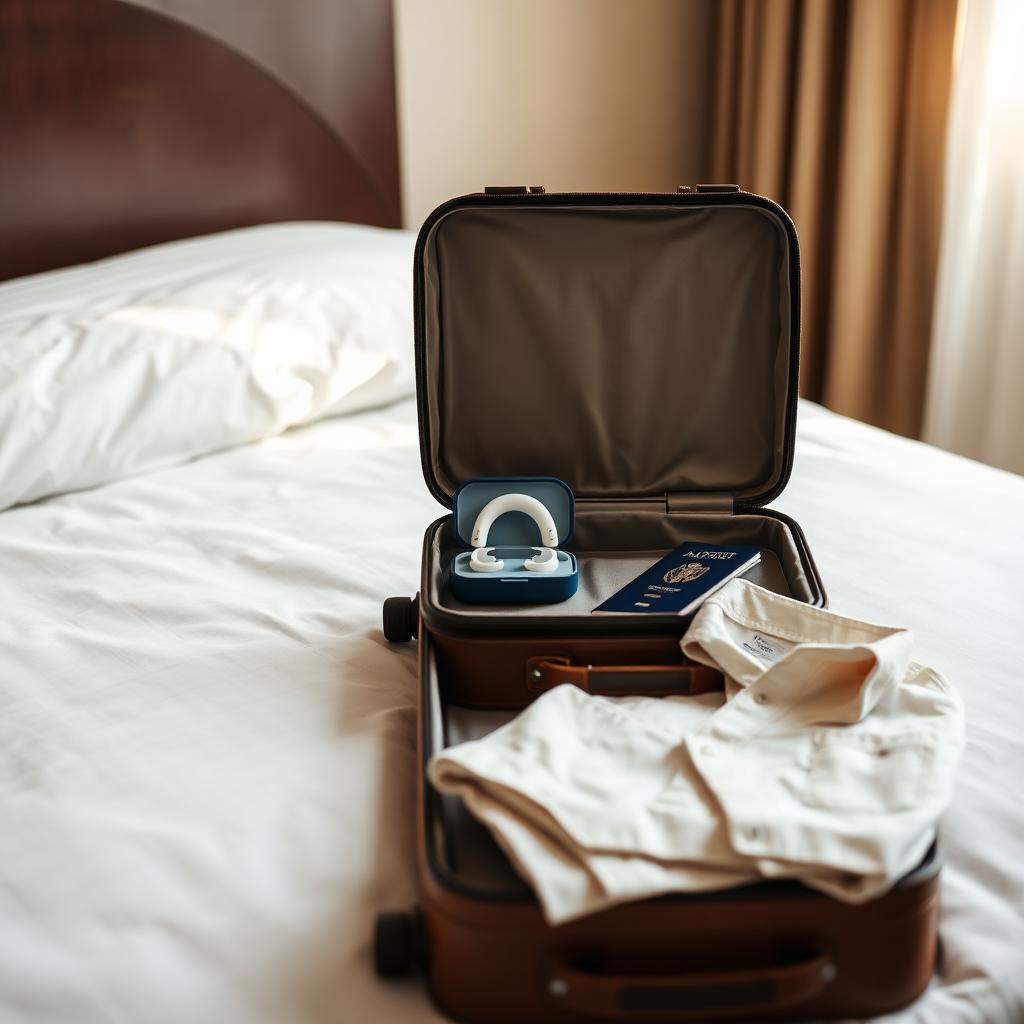
Not all oral appliances — or the dentists fitting them — are equal. These five questions help you choose well the first time.
An oral appliance is a medical device you'll wear every night for years — choosing the right one (and the right dentist to fit it) makes the difference between therapy you stick with and a drawer full of regret. Before you commit, these are the five questions we encourage every patient to ask any provider they are considering.
1. Is the dentist certified in dental sleep medicine?
Dental sleep medicine is a recognized specialty within dentistry, with its own board certification through the American Board of Dental Sleep Medicine (ABDSM). Ask whether your dentist is board-certified or actively pursuing certification, how many oral appliance cases they've fit in the past year, and whether they're comfortable with your severity of apnea (mild, moderate, or severe). A general dentist who fits 'a few a year' is rarely the right fit for a severe case.
2. Which FDA-cleared appliance — and why that one for my anatomy?
There are more than 100 FDA-cleared oral appliances on the market, and they are not interchangeable. The right choice depends on your bite, your jaw range of motion, the shape of your dental arches, the presence of any TMJ symptoms, and the severity of your apnea. A provider who recommends the same appliance to every patient isn't tailoring treatment — they're inventory-managing. Expect a specific reason your device was chosen for you.
3. How will the appliance be titrated and measured?
Fitting the device is only step one. Titration — gradually adjusting jaw position over weeks — is what makes therapy effective. Ask what the titration schedule looks like, whether follow-up sleep testing (a home sleep test or in-lab study) will confirm the device is working, and how comfort issues are addressed between visits. 'We'll see how you feel' isn't a titration plan.
4. How do you coordinate with my sleep physician?
OSA is a medical diagnosis. The best outcomes happen when your dentist and sleep physician communicate — sharing the original sleep study, the titration results, and any changes in symptoms. Ask how reports are shared, whether your physician is in the same network or referral loop, and what happens if your device alone isn't enough and combination therapy becomes necessary.
5. What's the full cost through my insurance?
The price of the device is one number. The number that matters is your total out-of-pocket cost after insurance — including the consultation, sleep testing, the appliance itself, titration visits, comfort adjustments, and any follow-up sleep study. A practice that bills properly under medical insurance (HCPCS code E0486) and verifies your benefits in advance can usually quote this with confidence before treatment begins.
What good answers sound like
A great dental sleep medicine practice will welcome these questions, answer each one specifically, and put the plan in writing. If answers are vague, defensive, or reduce to 'trust me,' keep looking — the training, equipment and physician relationships all matter to your outcome.
How we approach it in Washington, DC
At our Eastern Ave and 14th Street NW offices we treat every appliance fitting as the start of a long-term care relationship — with structured titration, coordinated reporting back to your sleep physician, comfort adjustments included for the first year, and annual recare visits to keep therapy effective. Most of our patients are still wearing their original appliance, comfortably, three to five years after their fitting.